As part of our website, we use cookies to provide you with the highest level of service, including services tailored to your individual needs. By continuing to use the website without changing your cookie settings, you agree to the placement of cookies on your device as described in our Privacy Policy. You can change your cookie settings in your web browser at any time. Acceptance of essential cookies is required for the proper functioning of the website. For more detailed information, please refer to our PRIVACY POLICY.
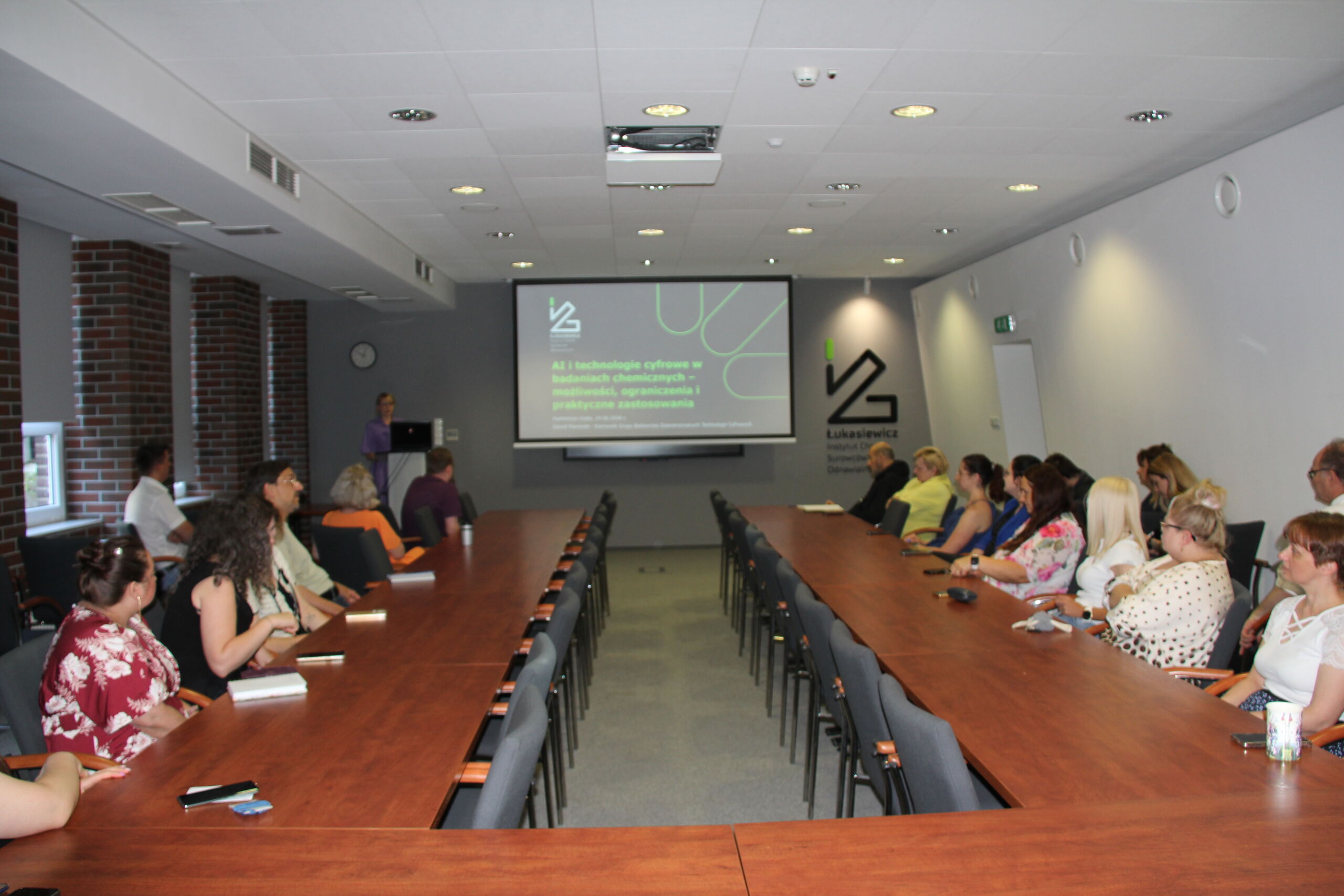
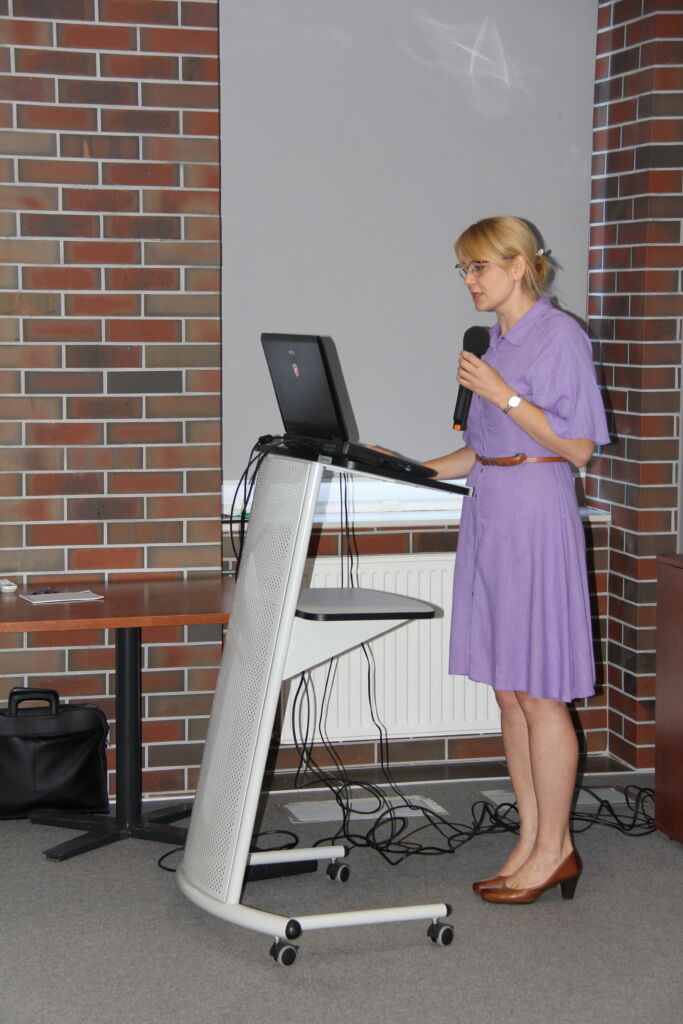
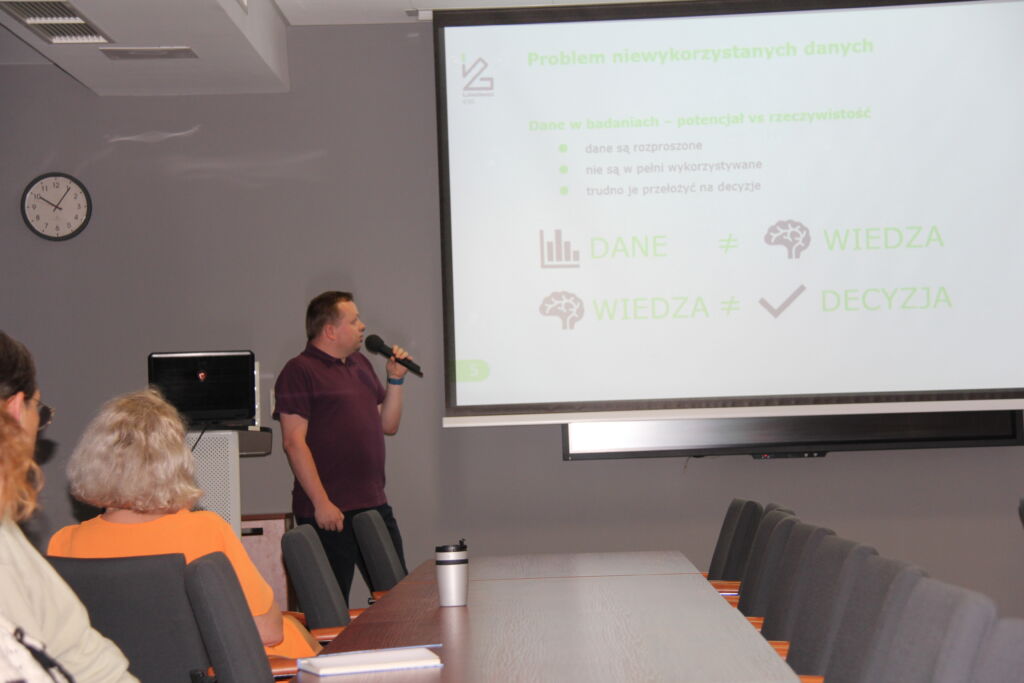
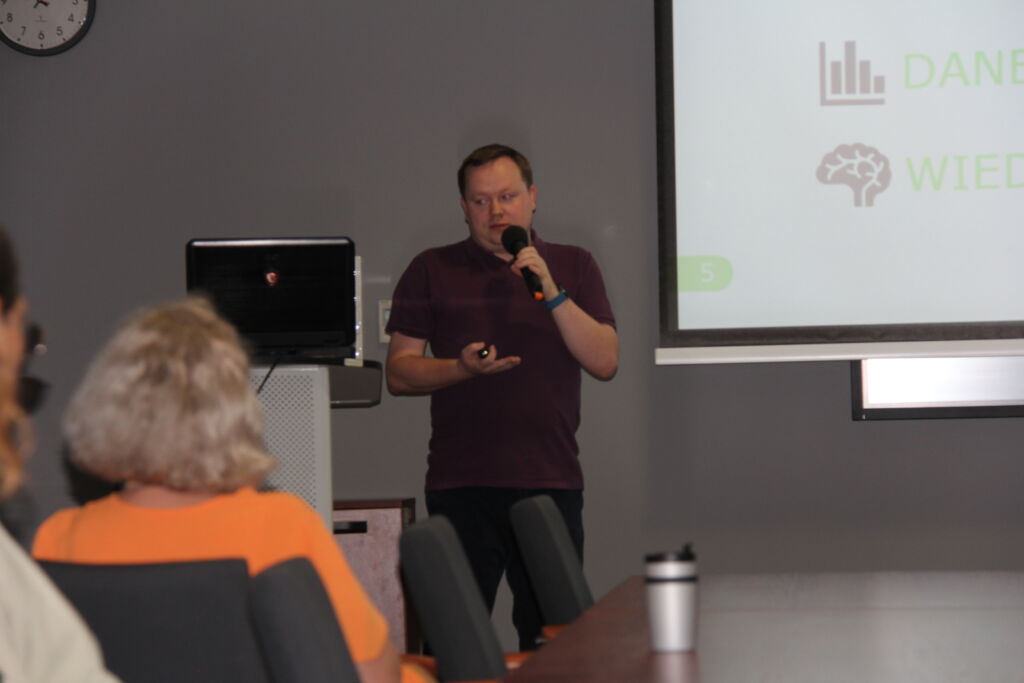
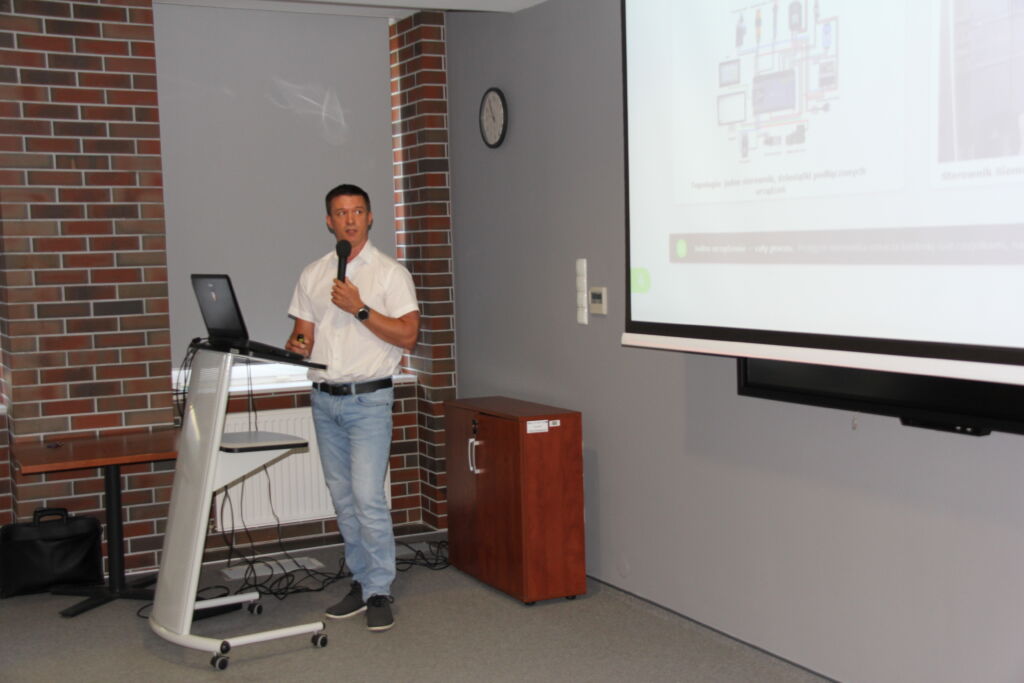
The internal seminar held on June 24 focused on highly topical issues related to the digitization of the chemical sciences. Dawid Marondel, head of the Advanced Digital Technologies Research Group, gave a presentation titled “AI and Digital Technologies in Chemical Research—Opportunities, Limitations, and Practical Applications,” demonstrating that digital technologies and artificial intelligence can genuinely support R&D work, provided they are used thoughtfully and appropriately. As with many tools, careless use of AI can do more harm than good, but awareness of the risks, adherence to best practices, and guidance from those familiar with how artificial intelligence works can minimize these risks.
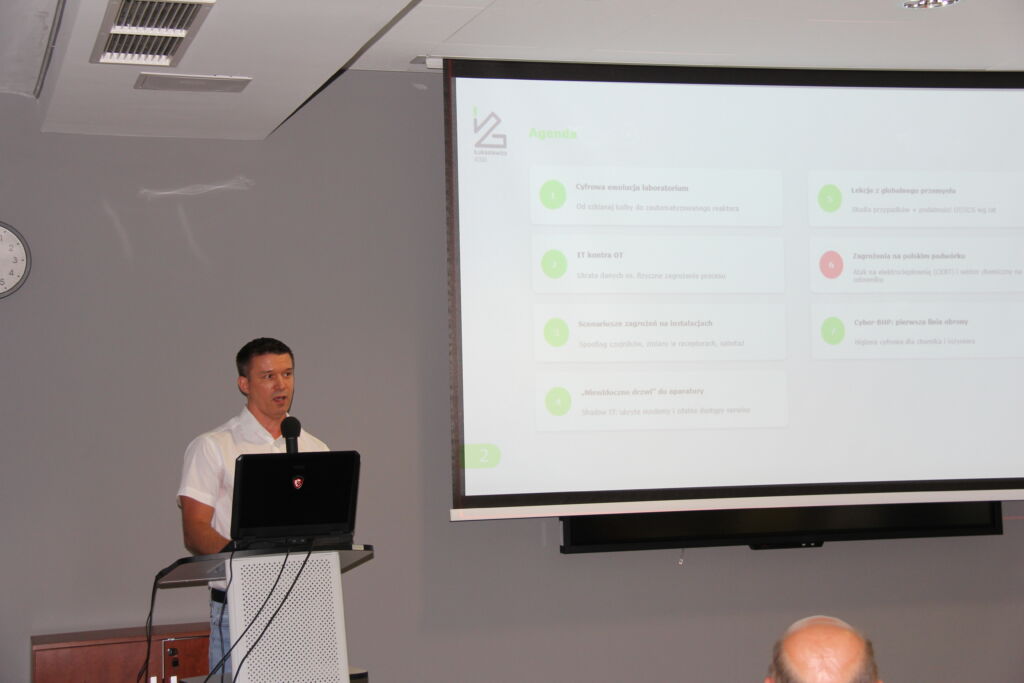
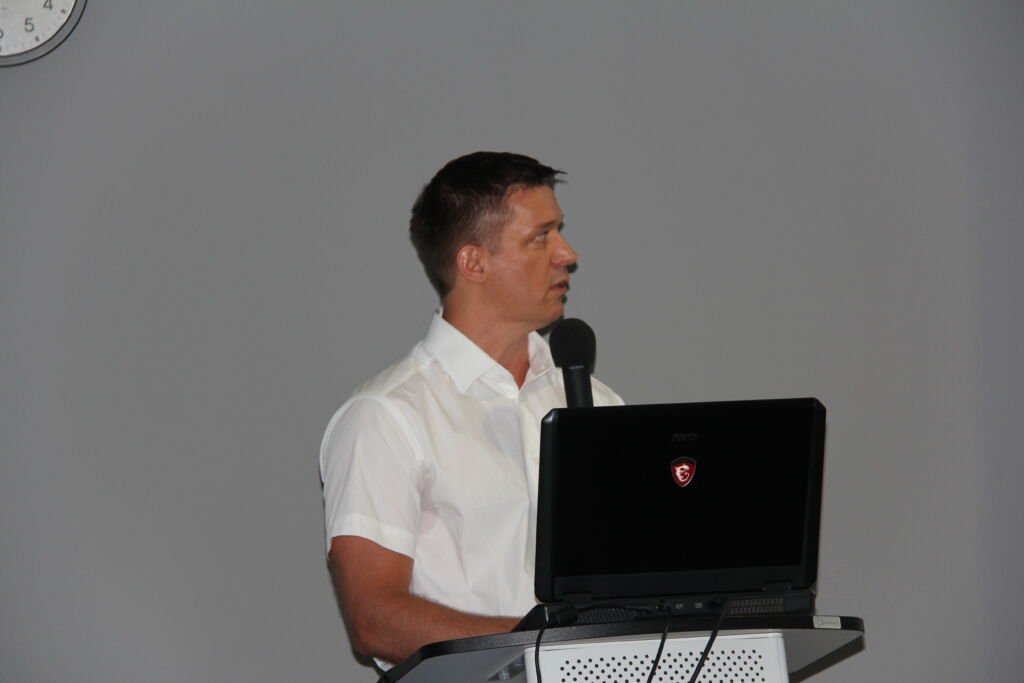
In the second part of the meeting, Aleksander Adamczyk presented the topic “When Computers Control Chemistry,” discussing the benefits and risks arising from the increasing digitization of research equipment. Cyberterrorist attacks—exploiting human error or negligence, as well as software vulnerabilities—can, in such situations, result not only in the falsification of research data but also in a real, physical threat to facility staff and bystanders. A shift in mindset is necessary, along with careful planning of cybersecurity for research, but above all, increased vigilance on the part of everyone involved in the process.
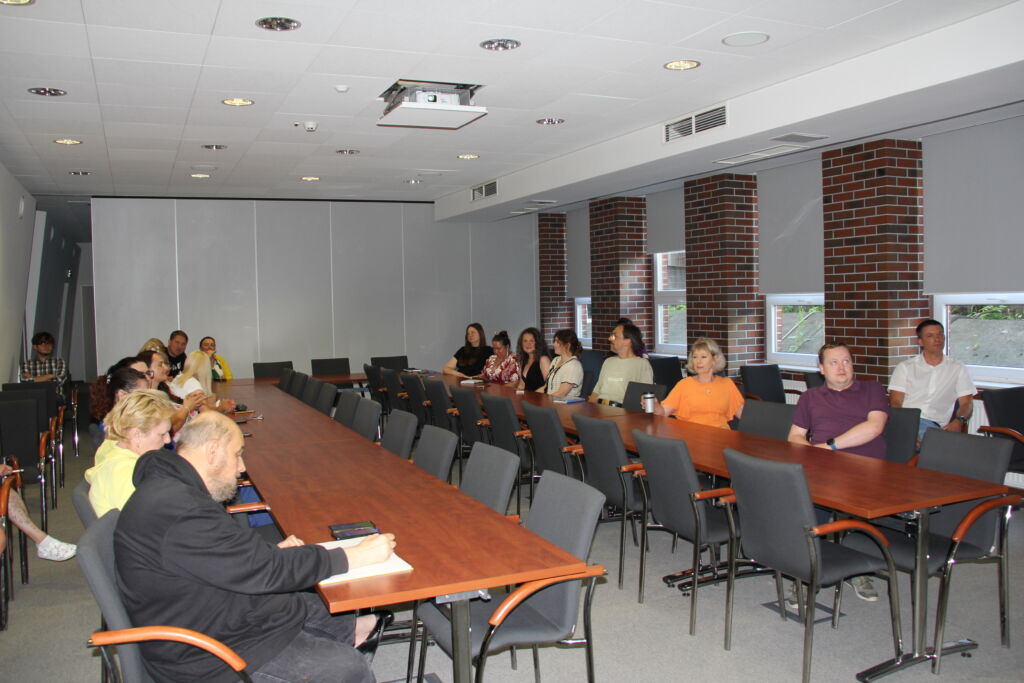
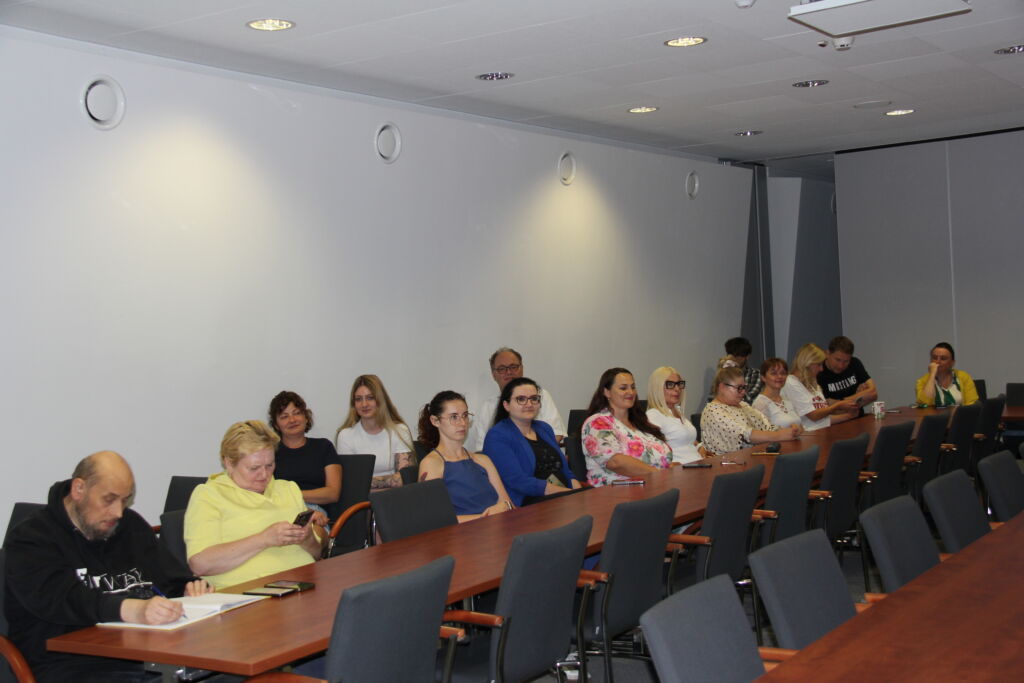
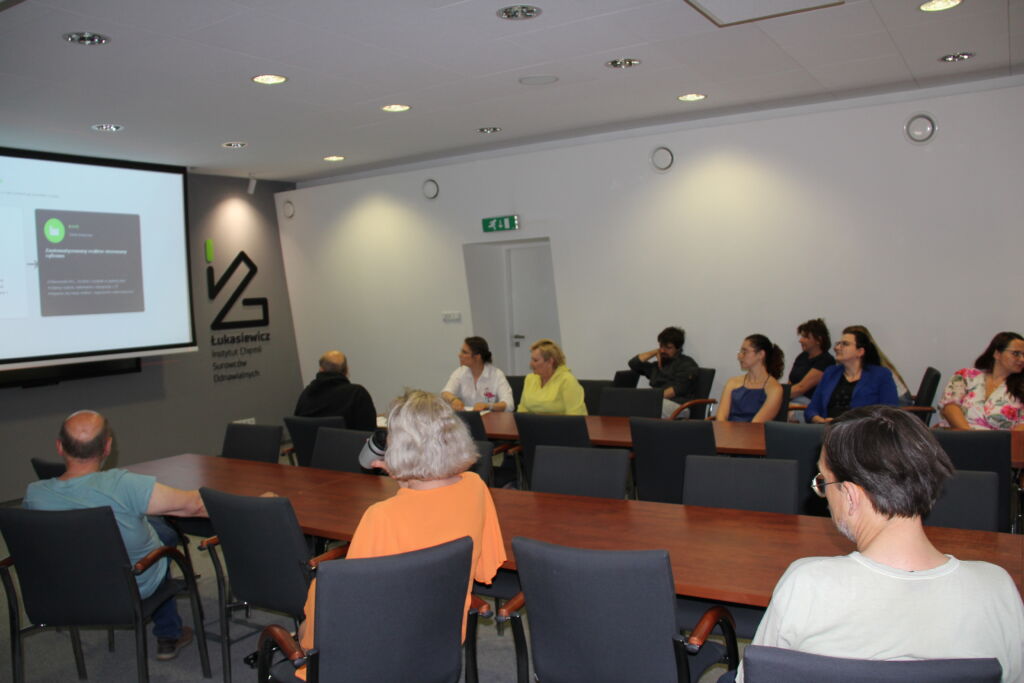
Both topics presented sparked a lively discussion after the presentations ended, demonstrating just how important the issues raised were.